Electric quad bikes have become a familiar sight across the UK, whether tackling muddy trails, supporting farm work, or simply providing a fun ride for enthusiasts. Yet behind every reliable ride sits a battery that needs proper attention. Getting the charging process right is not just about convenience; it directly affects how long your quad's power source lasts and how well it performs when you need it most. This guide walks through everything from understanding battery chemistry to spotting warning signs and choosing the correct charger, so your electric quad stays dependable for years to come.
Key points
- Understanding the specific battery chemistry, whether lithium-ion or lead-acid, is essential for determining the correct charging method and equipment.
- Lithium-ion batteries charge efficiently in four to six hours and perform best when kept within a moderate charge range rather than being constantly topped off.
- Lead-acid and AGM batteries require longer charging times of six to eight hours and must be charged in well-ventilated areas to safely manage gas emissions.
- Using a multimeter to perform pre-charging voltage checks helps identify if a battery is within safe operating levels or requires professional attention.
- Visible signs of degradation, such as swelling, corrosion, or rapid power drainage, indicate that a battery should not be charged and requires inspection by a technician.
- Utilizing the manufacturer-supplied charger is critical to prevent voltage mismatches that can cause premature battery failure.
- Smart chargers are recommended for daily use due to their built-in overcharge protection, while trickle chargers are best for maintaining batteries during long-term storage.
Understanding electric quad battery types and their charging requirements
Not all quad batteries are built the same way, and knowing what powers your machine makes a genuine difference to how you approach charging. Most modern electric vehicles, including quads, ride-ons, and mobility bikes, rely on either lithium-ion or lead-acid technology, each with its own quirks and charging demands.
Lithium-Ion Batteries: Charging Characteristics and Compatibility with Modern Quads
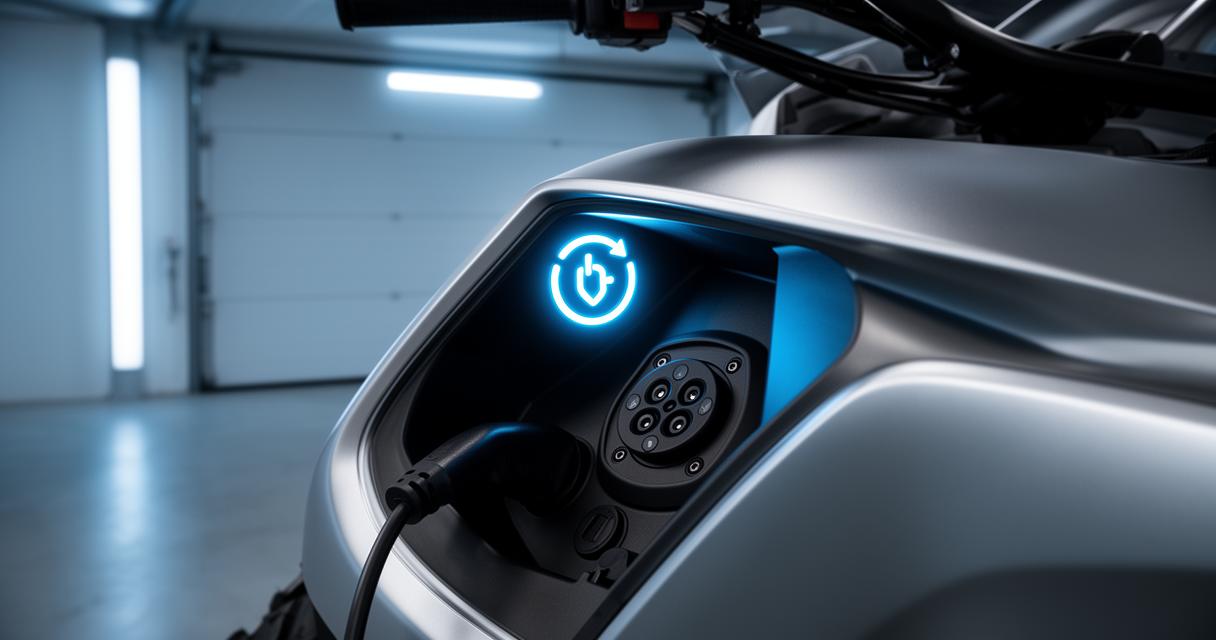
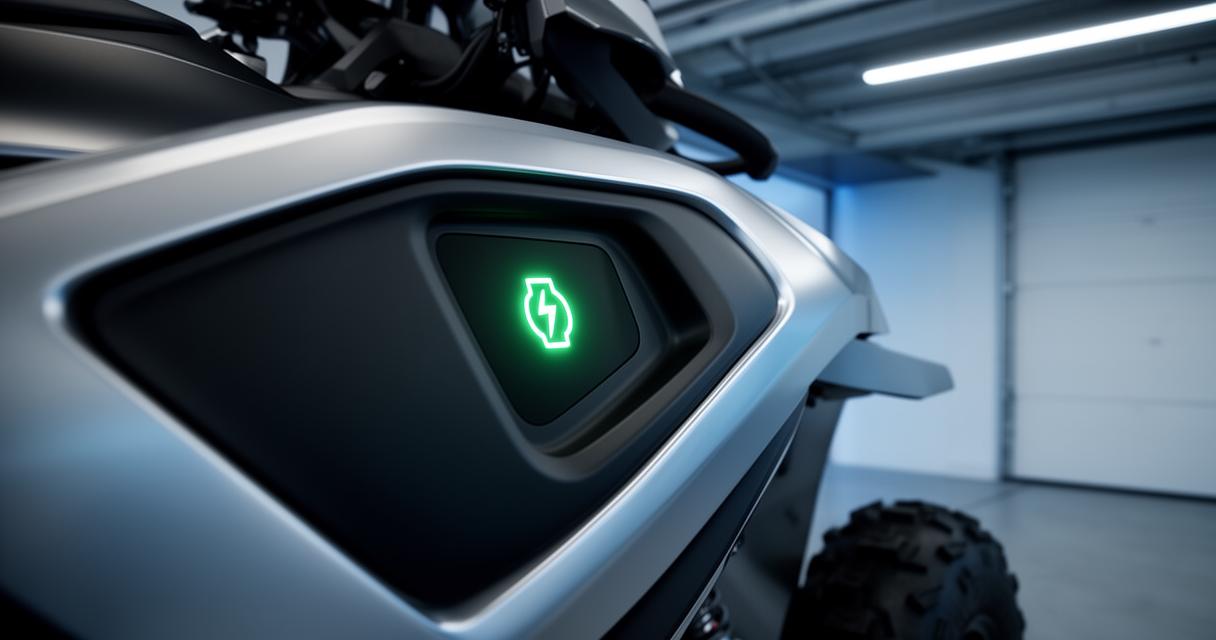
Lithium-ion cells have become the preferred choice for newer electric quads thanks to their lighter weight and longer battery lifespan. These batteries typically take between four and six hours to reach full charge, which is considerably quicker than older technologies. They plug into standard UK plugs without any special adaptors, making overnight charging a genuinely convenient option for most riders. One thing worth remembering is that lithium-ion cells respond best when kept within a moderate charge range rather than constantly topped up to full, and manufacturers such as Eco-Rider design dedicated chargers specifically matched to their battery packs to prevent voltage mismatches. Sticking to the manufacturer's recommended charger protects the cells and helps maintain consistent battery capacity over hundreds of charging cycles.
Lead-Acid and AGM Batteries: Traditional Technologies for Kawasaki, KTM, and Other Quad Models
Older or heavier-duty quads, including many models from Kawasaki and KTM, often still use lead-acid or AGM batteries. These take longer to charge fully, generally between six and eight hours, so plugging in overnight tends to be the most practical approach. Lead-acid batteries are more tolerant of basic charging equipment, but they still demand a well-ventilated space and a non-flammable surface during the process, since these battery types can release small amounts of gas while charging. Riders with older quad models should be particularly mindful of temperature, as charging in extreme cold or direct rain can shorten the working life of these batteries considerably.
Pre-charging voltage checks and battery state assessment
Before connecting any charger, taking a moment to check your battery's condition can save considerable hassle later on. A quick voltage assessment helps determine whether the battery simply needs a standard charge or whether something more serious is going on beneath the surface.
How to properly test battery voltage before connecting your charger
Using a multimeter to check voltage before charging gives a clear picture of the battery's current state. For most quad batteries, readings should fall within a predictable range depending on the chemistry involved, and a low reading generally means the battery has dropped below the recommended twenty percent threshold, at which point charging becomes necessary. Best practice suggests keeping the battery between twenty and eighty percent charged during regular use, since this range places the least strain on internal cells. Checking voltage regularly, particularly if the quad has not been used for several weeks, helps catch problems early rather than discovering a dead battery right before a planned ride.
Identifying Signs of Battery Degradation and When Charging May Not Be Sufficient
Sometimes a battery simply won't hold its charge no matter how long it stays connected. Warning signs include a charger light that refuses to illuminate, one that stays red far longer than expected, or a battery that drains unusually quickly after what seemed like a full charge. Visible swelling, corrosion, or leakage around the terminals should never be ignored, and any of these symptoms warrant contacting support or a qualified technician rather than continuing to charge. Batteries left unused for extended periods without occasional checks, ideally every four to six weeks, are particularly prone to unexpected degradation, so a little routine attention goes a long way toward avoiding nasty surprises.
Selecting the Right Charger and Implementing Best Charging Practises for Extended Battery Life
Choosing the correct charger is arguably one of the most overlooked aspects of battery care, yet it has an enormous impact on both safety and long-term performance. With several charger types available on the market, understanding their differences helps riders make sensible choices for their specific quad.
Comparing Smart Chargers, Trickle Chargers, and Fast Chargers for Quad Batteries
Smart chargers automatically adjust their output as the battery approaches full charge, reducing the risk of overcharging and generally offering the safest option for daily use. Trickle chargers deliver a slow, steady current ideal for maintaining batteries during storage, while fast chargers prioritise speed but can generate more heat and stress on cells if used too frequently. Whatever option you choose, using the original charger supplied with your quad remains essential, since mismatched voltage or current specifications can cause lasting damage. Charger compatibility issues are among the most common reasons batteries fail prematurely, so it's always worth double-checking specifications before purchasing a replacement unit.
- Smart chargers: ideal for regular, everyday charging with built-in overcharge protection
- Trickle chargers: best suited for long-term storage and maintaining charge levels
- Fast chargers: convenient but should be used sparingly to avoid excess heat build-up
Maintenance Tips and Charging Techniques to Maximise Battery Lifespan and Performance
Good habits around charging frequency and storage conditions make a substantial difference to overall battery health. Charging in a cool, dry environment between five and thirty degrees Celsius helps preserve internal chemistry, while avoiding extreme temperatures altogether prevents unnecessary strain. For winter storage, charging to around fifty to sixty percent capacity rather than leaving a battery fully charged or completely empty strikes the right balance for long-term preservation. It's also worth detaching the battery entirely during extended periods of inactivity and keeping it indoors, away from moisture and direct heat sources.
Beyond charging itself, everyday riding habits contribute to battery longevity too. Maintaining proper tyre pressure improves efficiency and reduces the load on the motor, while avoiding overloading the quad prevents unnecessary drain during rides. Regular servicing at an authorised centre catches minor issues before they become expensive problems, and protecting the battery from water exposure remains crucial given how sensitive these components can be to moisture. When a battery does eventually reach the end of its usable life, recycling it responsibly through an approved dealer ensures materials are handled safely rather than ending up in general waste.
Interestingly, the wider e-bike and electric quad market has seen remarkable growth in recent years, with sales figures showing electric bikes outpacing traditional car purchases in certain markets. This surge in popularity means battery technology continues to improve, and riders investing in proper maintenance now are likely to benefit from even more efficient charging systems as manufacturers refine their designs. Taking the time to understand your specific battery type, checking voltage before every charge, and choosing a compatible charger will keep your electric quad performing reliably for years, transforming battery care from a chore into a simple, worthwhile routine.