Choosing the right keyboard can make a surprising difference to how you play, type, and work, yet it's a decision many gamers overlook until their fingers start doing the talking. Whether you're chasing split-second reactions in a competitive match or simply want a peaceful evening of typing without disturbing the household, the debate between membrane and mechanical keyboards remains one of the most persistent questions in the gaming world. Brands such as Logitech have built entire product ranges around this very choice, offering everything from mice and webcams to keyboards designed for every type of user. Let's unpick what actually separates these two keyboard families and, more importantly, which one wins when noise becomes the deciding factor.
In short
- Membrane keyboards use a rubber dome design that absorbs impact, resulting in a significantly quieter typing experience compared to mechanical boards.
- Mechanical keyboards feature individual switches with springs, offering greater durability and precision but often producing more noise.
- The noise level of a mechanical keyboard depends heavily on the switch type, with linear switches being the quietest and clicky switches being the loudest.
- Membrane keyboards are generally more affordable, lighter, and more portable, making them ideal for casual users and quiet environments.
- Mechanical keyboards provide superior tactile feedback and advanced features like anti-ghosting, making them preferred by competitive gamers despite their higher cost.
- Choosing between the two depends on a balance of personal preference for typing feel, budget, and the need to minimize noise in shared living or working spaces.
Understanding the Fundamentals: Membrane vs Mechanical Gaming Keyboards
The construction and technology behind membrane keyboards
Membrane keyboards rely on a flexible rubber layer sitting beneath the keys, and pressing a key pushes this dome down to complete an electrical circuit. It's a relatively simple design, which explains why these boards tend to be lighter, more compact, and considerably cheaper to produce. The soft, cushioned feel underfoot, or rather under-finger, is a hallmark of this design, and it's part of why membrane keyboards remain a staple in offices and casual households alike. They're also brilliant for anyone who values portability, since their slim profile makes them easy to toss into a bag without a second thought.
How mechanical switches operate and their characteristics
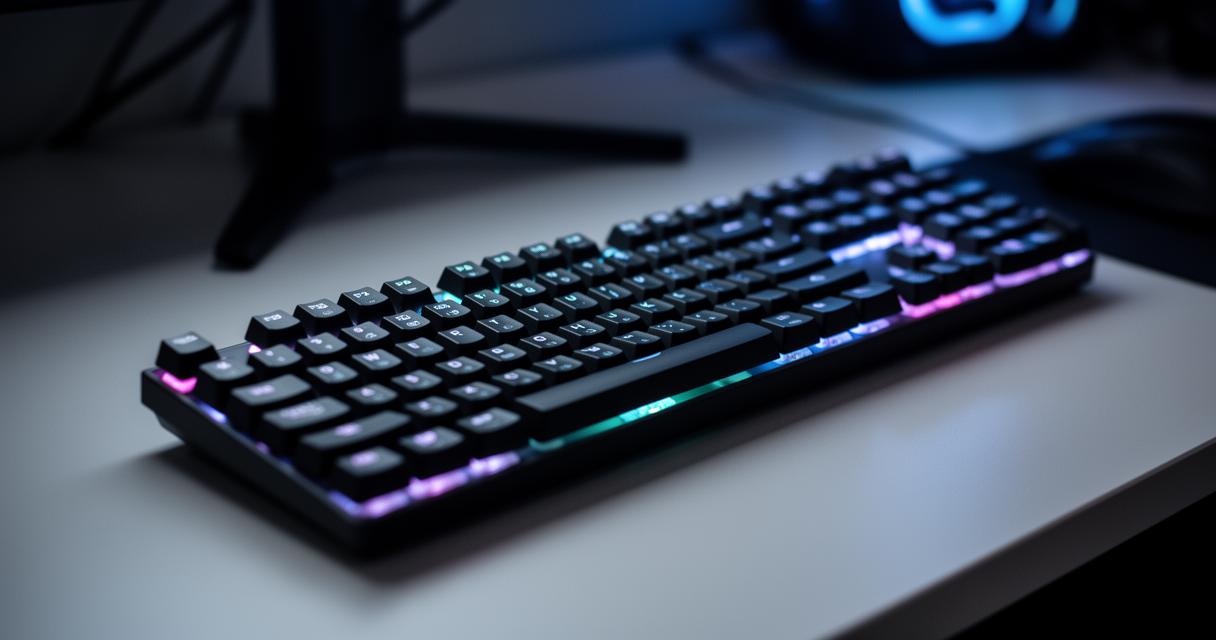
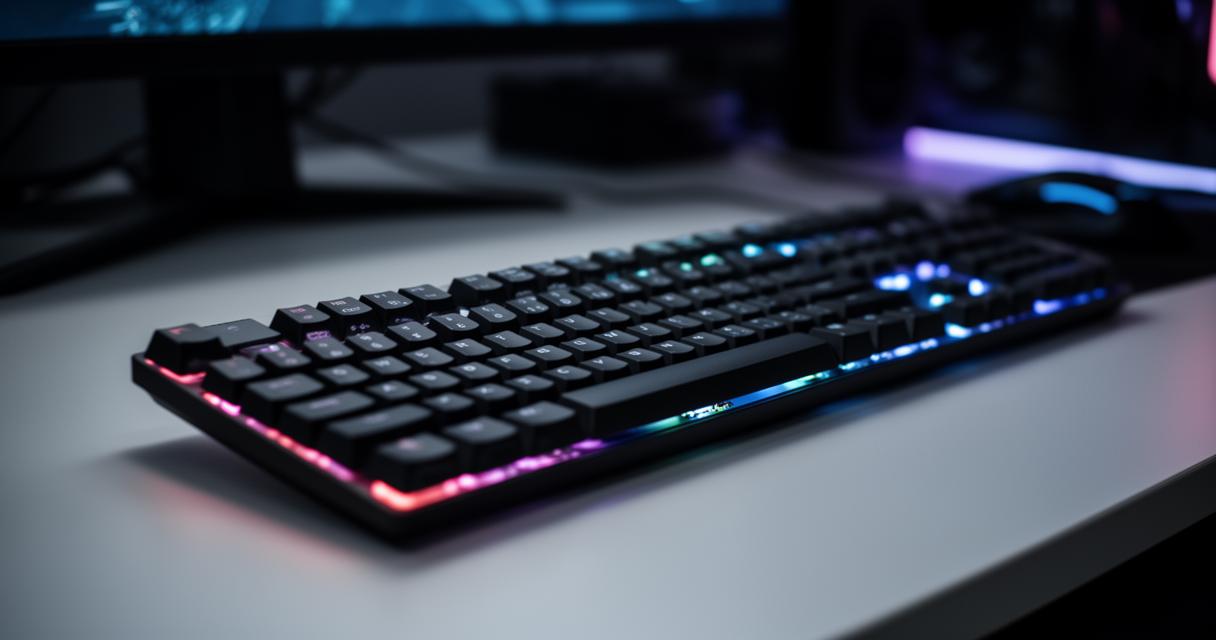
Mechanical keyboards take a very different approach, giving every single key its own individual switch complete with a spring and a physical actuation point. This is where the world of mechanical switches gets genuinely interesting, because there isn't just one type. Linear switches move smoothly up and down without any bump or click, tactile switches offer a gentle bump so you can feel exactly when a keystroke registers, and clicky switches add an audible snap on top of that tactile feedback. This variety is a large part of the appeal for gamers and coders who want precise control over their typing feel. It's also worth noting the sheer durability on offer, with many mechanical switches rated to withstand anywhere between thirty and seventy million keystrokes, dwarfing the roughly five million presses a typical membrane keyboard might survive before wearing out.
Noise levels compared: evaluating sound output across keyboard types
Why membrane keyboards deliver a quieter typing experience
If peace and quiet are high on your list of priorities, membrane keyboards have a clear advantage. Because the rubber dome absorbs much of the impact when a key is pressed, there's no sharp clack or click to be heard, just a soft, muted thud. This makes membrane boards a sensible choice for shared living spaces, late-night gaming sessions, or open-plan offices where the constant clatter of mechanical switches might grate on colleagues. Alongside the hushed noise level, membrane keyboards also tend to be gentler on the wallet, making them an appealing option for anyone mindful of their budget without wanting to sacrifice basic comfort.
Mechanical Switch Variations and Their Impact on Sound Production
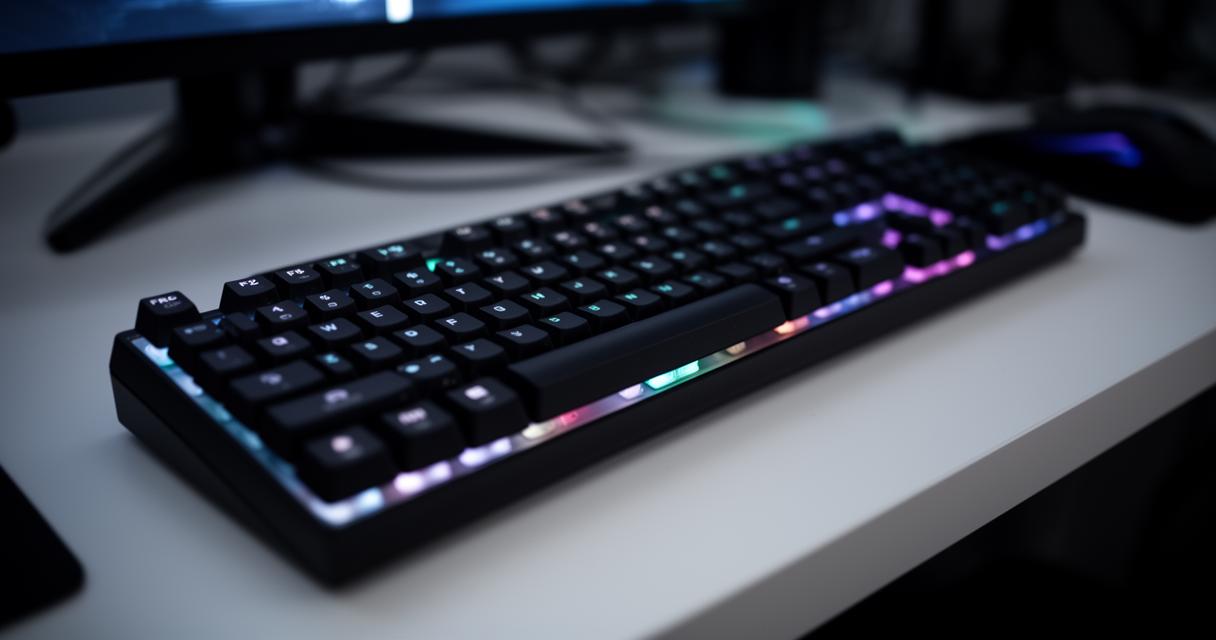
Not all mechanical keyboards sound the same, and the type of switch fitted plays a huge role in how much racket your setup makes. Linear switches are generally the quietest of the mechanical bunch since they lack any clicking mechanism, tactile switches sit somewhere in the middle with a soft bump but no loud snap, and clicky switches are unmistakably the noisiest, delivering that satisfying yet unmistakably audible click with every press. For gamers who adore the tactile sensation but want to keep the volume down, linear or tactile switches strike a sensible compromise. Meanwhile, those who relish the theatrical clatter of a clicky board should perhaps reserve it for solo sessions rather than late-night raids while others are asleep nearby.
Making your decision: balancing performance, noise, and personal preference
Assessing your gaming environment and noise sensitivity requirements
Think honestly about where and when you'll be gaming. If you share a room, work from home alongside others, or simply prefer a calmer atmosphere, a membrane keyboard or a quieter mechanical switch will serve you well. On the other hand, if you're gaming solo in a dedicated space, the extra volume of a clicky mechanical board might be a small price to pay for the satisfying feedback it delivers. Models such as the HP OMEN Sequencer boast an impressively swift 0.2 millisecond response time alongside a lifespan of around seventy million clicks, making it a serious contender for competitive players who refuse to compromise on speed. For those after something more wallet-friendly, the HP Pavilion gaming keyboard 500 offers RGB backlighting and solid performance without the premium price tag, while the HP OMEN keyboard 1100 brings N-key rollover and anti-ghosting technology into the mix, ensuring every keystroke registers accurately even during frantic gameplay.
Weighing tactile feedback and durability against acoustic considerations
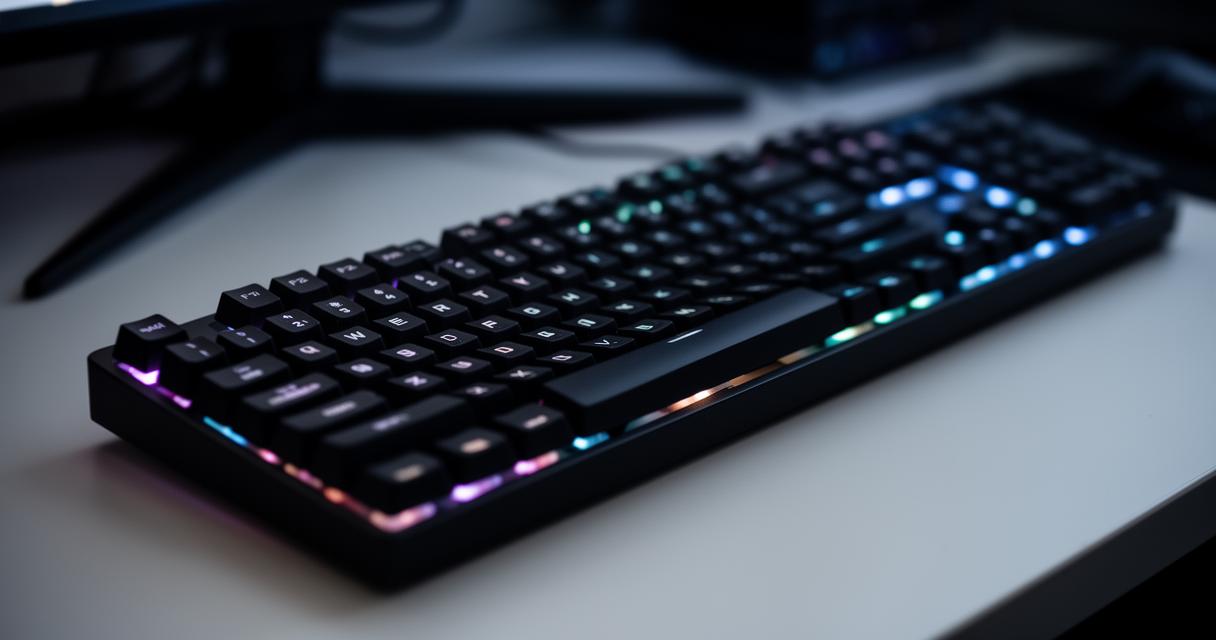
Ultimately, this decision boils down to what you value most. Mechanical keyboards win hands down when it comes to feedback, customisation, and sheer lifespan, with features like RGB backlighting, key rollover, and anti-ghosting technology appealing hugely to serious gamers and coders alike. However, these advantages come bundled with a higher price, extra weight, and undeniably more noise. Membrane keyboards, meanwhile, trade some of that performance and stability for a quieter, more affordable, and travel-friendly experience, though they typically offer less customisation and a shorter working life. There's no universally correct answer here, only what suits your habits, your environment, and your personal preference best. Whether you're drawn to the whisper-quiet comfort of a membrane board or the precise, clicky satisfaction of a mechanical one, the right choice is simply the one that keeps you comfortable, focused, and ready to play for hours on end.