When people imagine a high-tech kitchen, they often picture gleaming surfaces, integrated appliances, and a futuristic glow that seems lifted straight from a design magazine. Yet behind every successful scheme lies something far less glamorous but infinitely more important: ergonomics. Without a thoughtful approach to how people actually move, reach, and work within a space, even the most visually striking kitchen can become frustrating to use. This article explores why ergonomic thinking should sit at the heart of any high-tech kitchen project, and how that same philosophy can extend gracefully throughout the rest of the home.
At a glance
- Ergonomics is essential in high-tech kitchen design to ensure the space adapts to human physical needs rather than requiring users to adapt to inefficient layouts.
- Effective kitchen planning must prioritize the classic work triangle, appropriate countertop heights, and obstacle-free movement to prevent fatigue and injury.
- Smart technology, including voice-activated controls and sensor-driven fixtures, can significantly enhance ergonomic comfort and reduce physical strain in modern kitchens.
- Advanced 3D modeling and rendering software allow designers to test reach zones, sightlines, and traffic flow before physical installation to avoid impractical design choices.
- Integrating natural materials like wood can soften the sterile, industrial aesthetic of high-tech design while providing a more comfortable tactile experience.
- Ergonomic and high-tech principles should extend beyond the kitchen into other living areas to create a cohesive, functional, and visually balanced home environment.
- Minimalist design and careful color selection reduce visual clutter, which helps minimize mental fatigue and contributes to the overall well-being of the home's occupants.
The Fundamental Role of Ergonomics in High-Tech Kitchen Design
Understanding ergonomic principles in contemporary kitchen spaces
At its core, ergonomics is about adapting a space to human capabilities rather than forcing people to adapt to their surroundings. In kitchen design, this means considering how tall someone stands while chopping vegetables, how far they must reach for a saucepan, and how much bending is required to load a dishwasher. These seemingly small details accumulate over time, and poor planning can lead to fatigue, strain, or simple daily annoyance. Architect and 3D design expert Mateusz Ciećwierz has written extensively on this subject, noting that ergonomic solutions directly improve comfort, accessibility, and safety within the home. A well-considered layout respects the classic work triangle between the sink, hob, and refrigerator, ensures countertops sit at an appropriate height for the household's users, and allows for smooth, unobstructed movement. When these principles are ignored in favour of style alone, the kitchen can become a beautiful but impractical showpiece.
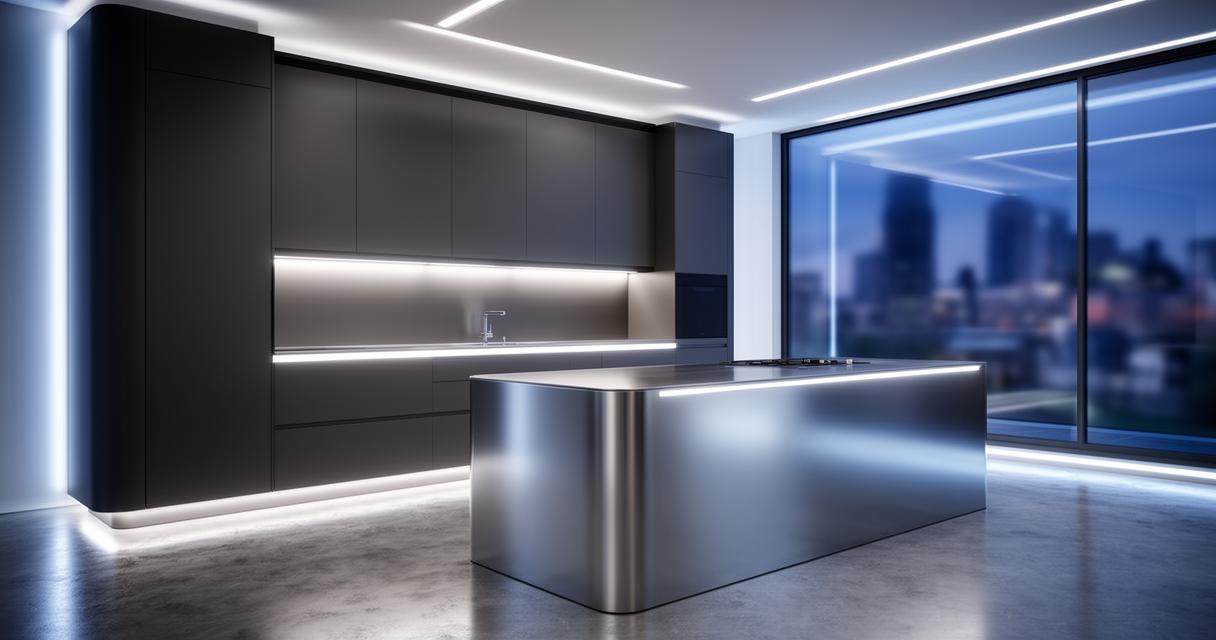
How advanced technology enhances functional comfort in modern kitchens
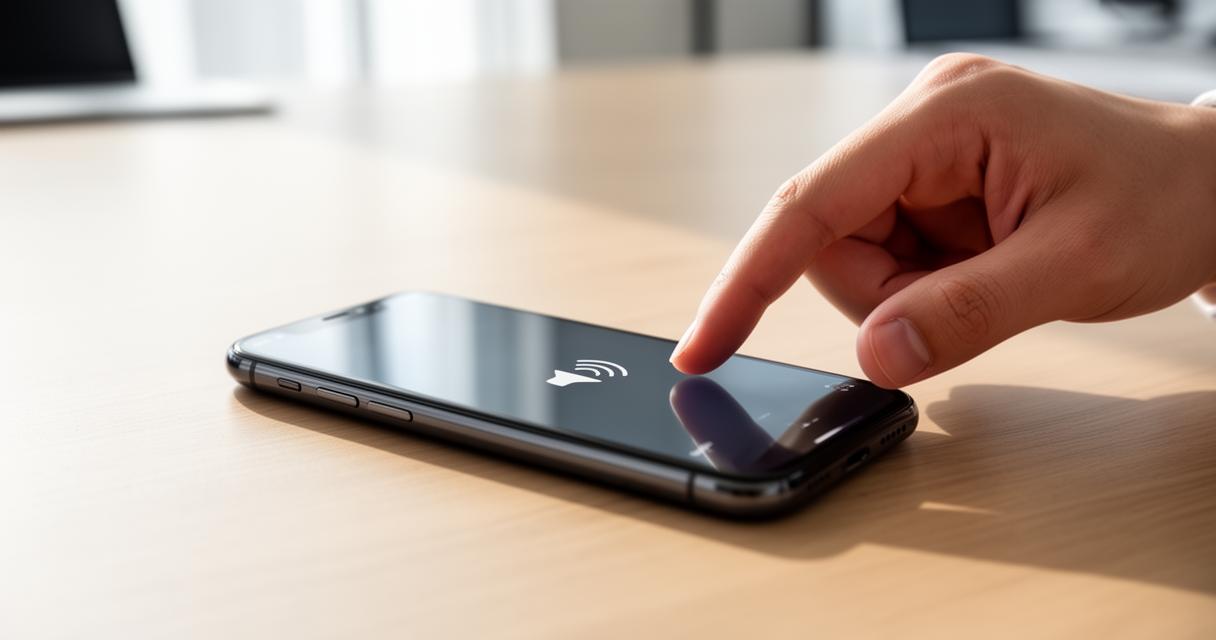
High-tech style does not have to mean sacrificing comfort for novelty. In fact, smart home systems can be powerful allies in ergonomic design, allowing lighting, temperature, and even appliance settings to be adjusted with minimal physical effort. Voice-activated controls, sensor-driven taps, and height-adjustable work surfaces all reflect a growing understanding that technology should serve the body, not complicate it. Proper lighting deserves particular attention here, as poorly lit work zones increase the risk of strain and accidents, whereas layered lighting design supports both mood and function. For those keen to visualise these solutions before committing to a renovation, tools such as SketchUp and 3ds Max allow designers to model kitchen layouts in three dimensions, testing sightlines, reach zones, and traffic flow long before a single cabinet is installed.
Balancing cutting-edge aesthetics with human-centred functionality
Integrating sleek lines and innovative materials whilst maintaining accessibility
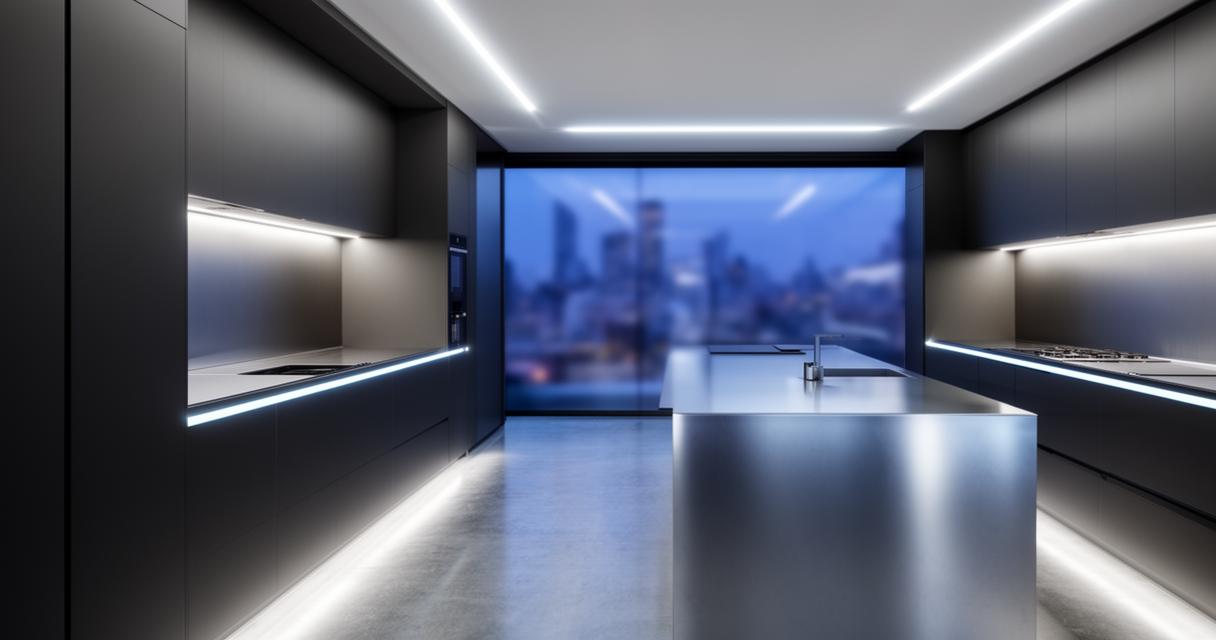
The visual language of high-tech interiors typically favours clean, unbroken lines, glossy finishes, and a restrained material palette. However, sleekness should never come at the cost of usability. Handleless cabinetry looks striking, but it must still open easily for every member of the household, including children or those with limited mobility. Innovative materials like tempered glass, brushed steel, and composite stone bring a futuristic edge, yet their placement should always be guided by practical considerations such as slip resistance and ease of cleaning. Designers working with rendering software such as V-ray or Corona renderer can produce photorealistic previews that reveal not just how a surface will look, but how light interacts with it throughout the day, helping to catch potential glare or shadow issues before installation.
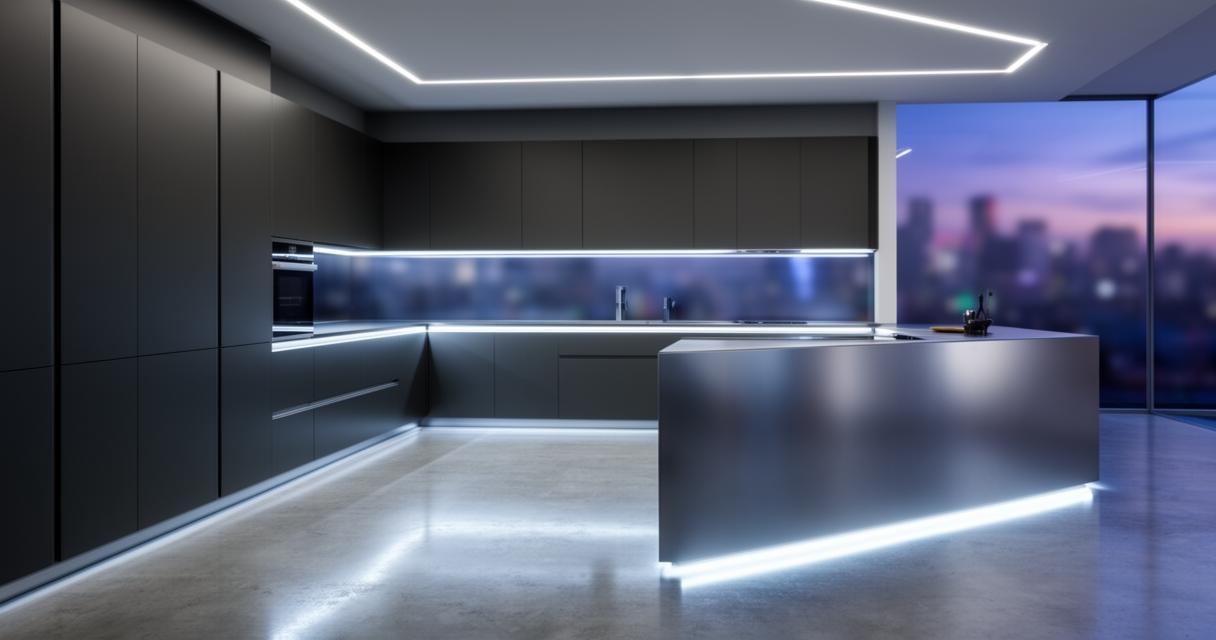
The Strategic Use of Wood and Natural Elements for Warmth Without Compromising Efficiency
One of the more interesting developments within high-tech kitchen trends is the deliberate softening of cold, industrial surfaces through natural materials. Wood, in particular, has become a favourite counterpoint to steel and glass, introducing warmth and texture without diluting the futuristic aesthetic. A timber island beneath a bank of smart appliances, or oak shelving against a matte black backsplash, demonstrates that technology and nature need not be at odds. This blending supports ergonomic goals too, since natural materials often feel more comfortable underfoot and to the touch, encouraging longer, more relaxed use of the space. The result is a kitchen that feels both cutting-edge and genuinely liveable, rather than sterile or clinical.
Creating cohesive high-tech living environments beyond the kitchen
Extending ergonomic high-tech design throughout your home's living and dining areas
A truly successful high-tech scheme rarely stops at the kitchen door. Increasingly, homeowners are extending the same principles into living rooms, dining areas, and even bathrooms, creating a sense of continuity throughout the property. Smart lighting that adjusts automatically between rooms, furniture arranged for natural conversation flow, and integrated charging points within dining tables all reflect an ergonomic mindset applied at a whole-house scale. For those designing a home office within this same aesthetic, similar rules apply: natural light should be prioritised, desk height must suit the individual, and storage ought to be organised to minimise unnecessary movement. Software such as Blender or Revit can assist in planning these interconnected spaces, allowing designers to test how each room relates to the next in terms of both style and function.
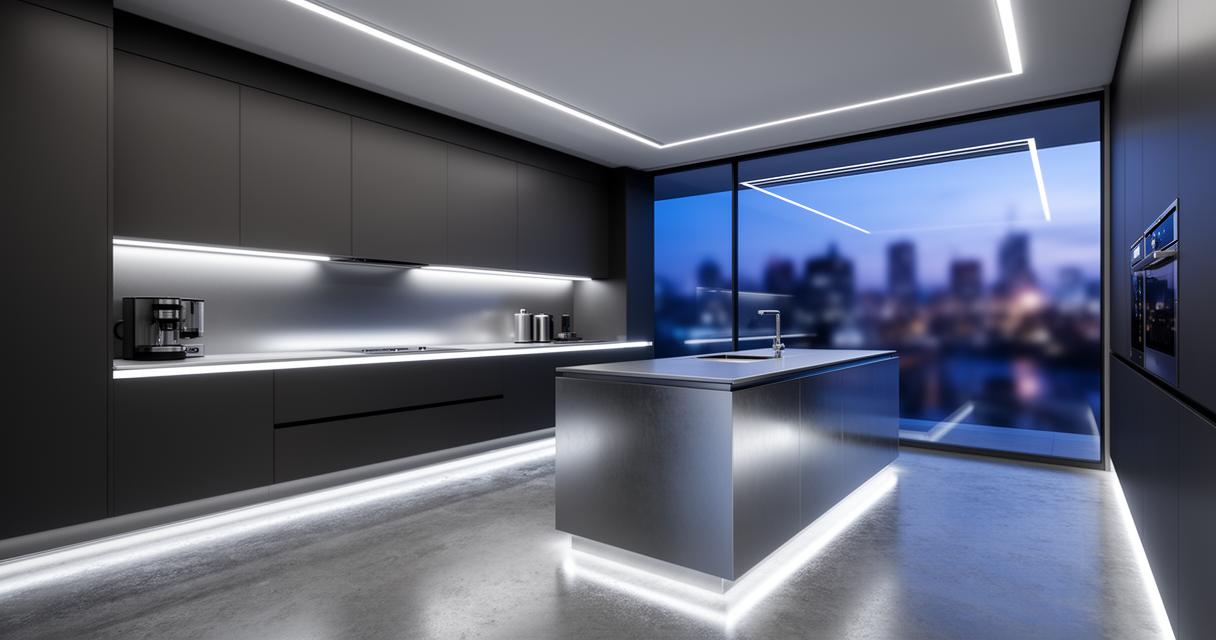
Colour Palette Selection and Minimalist Trends That Support Both Style and Well-Being
Colour plays a quieter but no less important role in ergonomic high-tech design. Cool greys, muted blues, and metallic accents dominate the trend, yet these must be balanced carefully to avoid a space feeling cold or uninviting. Minimalist principles encourage restraint, favouring a limited palette that reduces visual clutter and, by extension, mental fatigue. This is particularly relevant in open-plan homes where the kitchen, living, and dining areas share sightlines, as a cohesive colour story helps the eye move comfortably from one zone to another. For those wishing to sharpen these skills, online courses covering interior design, SketchUp, and rendering platforms like V-ray offer structured learning paths, with many current offerings priced between twenty-five and eighty dollars depending on depth and duration. Plugins such as the Custom Ground Wizard PRO for SketchUp can further streamline the modelling process, making it easier for designers to experiment with terrain and spatial relationships when planning larger renovation projects. Ultimately, whether working with professional software or simply rearranging furniture at home, the guiding principle remains the same: technology and beauty should always serve the comfort of the people who live there.