Choosing the right cat flap can transform how your feline moves between the house and garden, sparing you the endless duty of door-opening while keeping unwanted visitors out. With so many models now available, from simple push-through flaps to sophisticated microchip-reading versions, it helps to understand what separates a basic option from a genuinely advanced one before parting with your money.
In brief
- Modern electronic cat flaps use microchip recognition technology to ensure that only registered pets can enter, effectively keeping strays and wildlife out.
- Microchip-based systems eliminate the need for bulky collar attachments, providing a secure and reliable method for pet identification.
- Advanced cat flap models offer programmable features such as curfews and individual access permissions, which are particularly useful for multi-pet households.
- When selecting a model, buyers should consider factors like battery longevity, weatherproofing, and the potential need for professional installation in glass or specialized doors.
- Top-tier brands like SureFlap and PetSafe are recognized for their durability, consistency, and the value they provide over their five-to-ten-year lifespan.
- Successful installation requires accurate measurement of your pet to ensure the flap is positioned at a comfortable shoulder height for easy access.
Understanding electronic cat flap technology and features
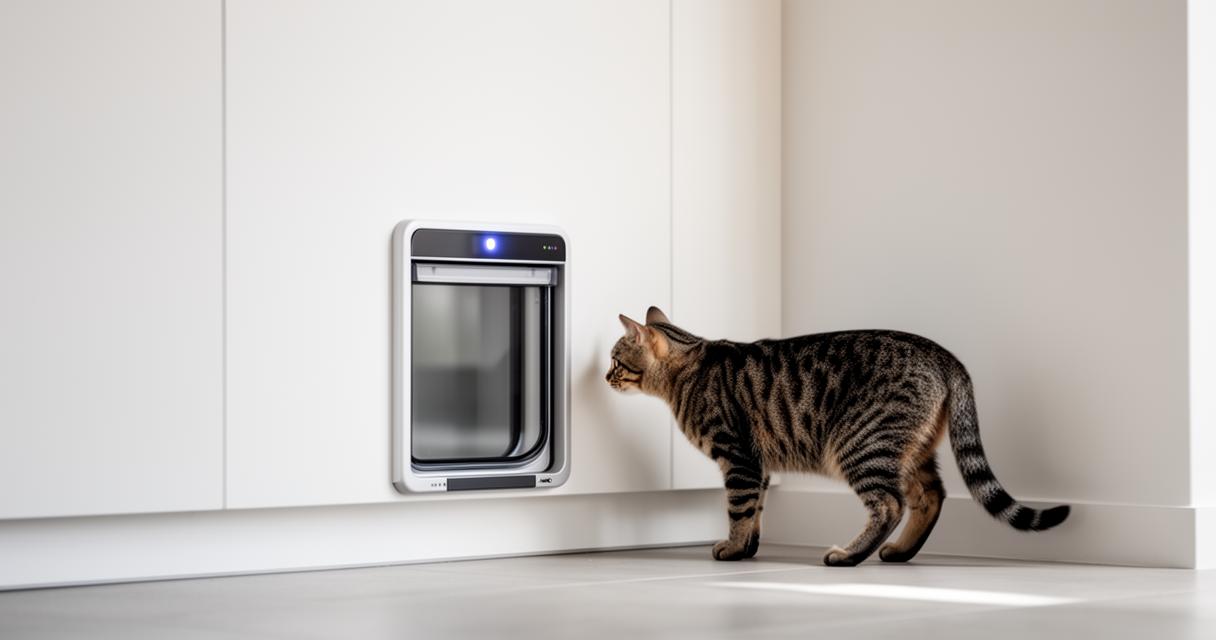
At the heart of every modern pet door lies a system designed to recognise your cat and nobody else's. The most popular approach uses your pet's existing identification chip, meaning there's no need for bulky collar attachments that can snag or fall off. When your cat approaches, a sensor within the flap reads the unique code embedded in the microchip cat flaps mechanism and unlocks only for registered pets, keeping stray animals and unwelcome wildlife firmly on the other side of the door.
Microchip recognition systems: how they work
These systems rely on pet access control technology that scans for a specific frequency emitted by the chip already implanted by your vet. Because the chip sits under the skin rather than on a collar, there's nothing for your cat to lose or damage, and the flap simply won't budge for any animal that isn't on its approved list. This collar-free approach has become something of a gold standard for households wanting genuine peace of mind.
Comparing basic and advanced electronic cat flap models
Basic electronic flaps often work with a simple RFID disc attached to the collar, offering a budget-friendly entry point for owners with a single, well-behaved cat. Advanced models step things up considerably, offering programmable access that lets you set curfews, restrict entry during certain hours, or manage several pets with entirely separate permissions. Battery life becomes a genuine consideration here too, since more sophisticated units with additional features tend to draw more power, so checking expected battery longevity before buying can save you a good deal of hassle later on. Weatherproofing is another factor worth scrutinising, particularly for homes exposed to driving rain or harsh winters, as a poorly sealed flap can let in draughts and moisture over time.
Top Brands and Products: SureFlap and PetSafe and Beyond
When it comes to reliable names in this space, two brands consistently rise to the top of buyers' shortlists. Both have built strong reputations through years of refining their designs, and reviewing customer feedback on marketplaces such as Amazon often reveals valuable insights into long-term durability and everyday performance.
Evaluating sureflap and petsafe electronic cat flaps
SureFlap has become something of a household name among owners seeking dependable microchip cat flaps, with models praised for their intuitive setup and consistent recognition accuracy. PetSafe, meanwhile, offers a broader range spanning from entry-level manual flaps through to fully automated units, giving shoppers flexibility depending on budget and requirements. Both brands typically back their products with a warranty, and most microchip flaps on the market are built to last somewhere between five and ten years with reasonable care, making the initial outlay feel far more worthwhile over time.
Multi-Pet Solutions: Flaps for Cats and Dogs
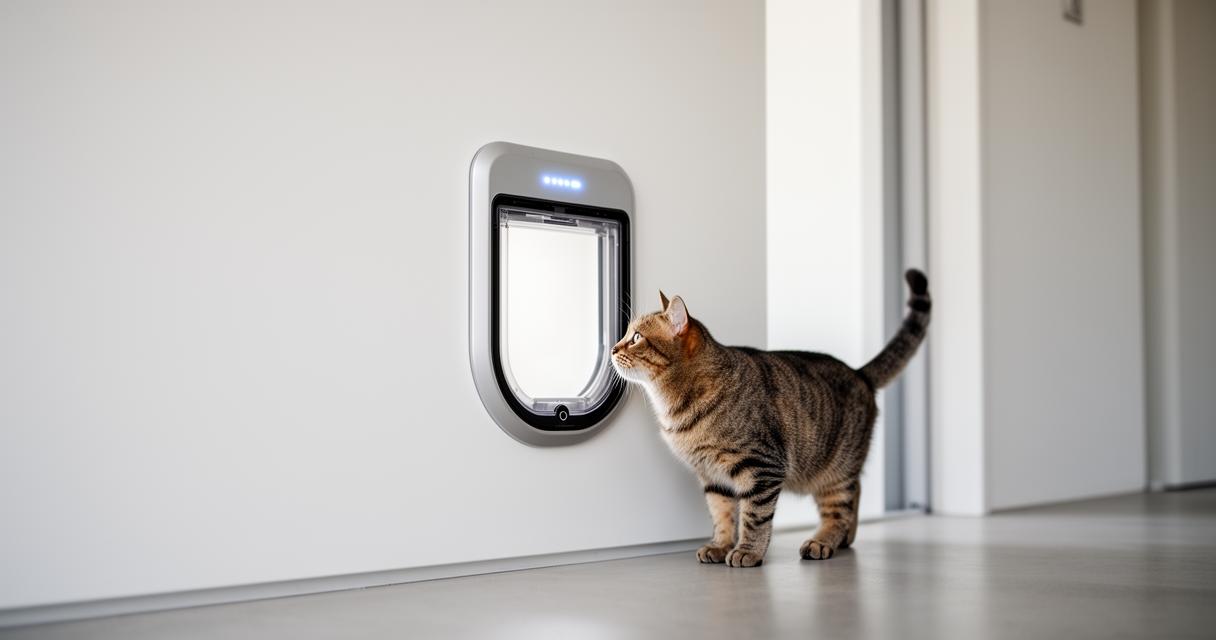
Households with more than one animal, or a mix of cats and dogs, often need something more flexible than a single-pet design. Many manufacturers now produce dedicated dog doors alongside their cat flap ranges, and some units are engineered to accommodate both species through adjustable sizing. For multiple pets, programmable access proves invaluable, allowing you to grant entry to some animals while restricting others, which suits structured households where certain pets need to stay indoors at particular times.
Installation, Security and Smart Features for Pet Owners
Fitting a cat flap needn't be a daunting weekend project, though the process does vary depending on the door or wall you're working with and the sophistication of the unit itself.
Installation Requirements: What to Expect from Different Models
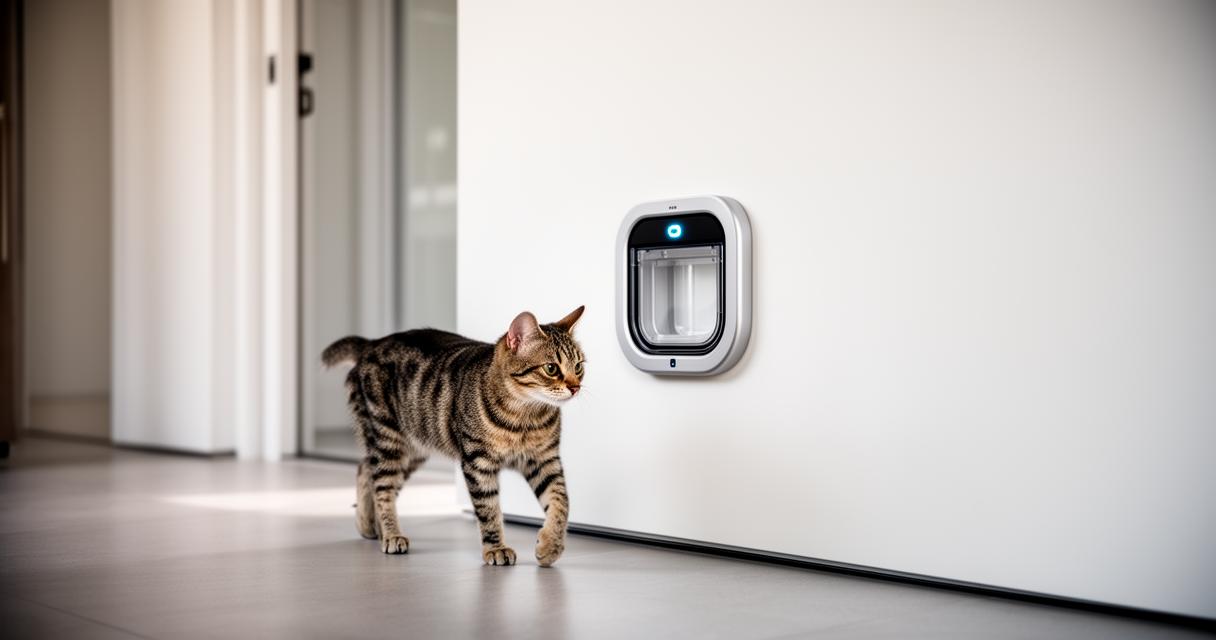
Before cutting any hole, it's worth taking accurate pet measurements, checking your cat's width and height to ensure the flap will be comfortable rather than a tight squeeze. Most guidance recommends positioning the flap at roughly shoulder height relative to your pet, which encourages natural, confident use rather than awkward ducking or jumping. Simpler 2-way cat flap models tend to be straightforward for confident DIY enthusiasts, while more advanced electronic versions with wiring or hub connectivity might benefit from professional fitting, particularly when installed into double-glazed units or specialist glass, where firms offering broader glazing and window services can prove useful.
Enhanced Security and Convenience with Smart Cat Flaps
For those wanting the strongest deterrent against intruders, a magnetic cat flap offers a decent middle ground, though it does require your cat to wear a collar with a magnetic key attached. Meanwhile, a 4-way cat flap gives owners the ability to lock the flap in various states, such as in-only or fully closed, which suits households wanting more structured control over their pet's comings and goings. Ultimately, the choice between convenience and maximum security comes down to your household's specific habits, the number of animals you're managing, and how much you value that reassuring click of a flap that opens for your pets alone.